Thursday Deep Dive Sessions
9:30 to 11:30 a.m.
Relationship, Power & Self-Interest: Organizing as a Framework for Engagement and Systems Change
Presented by Sunni Hutton, Sow Joy
Co-creating Natural Pathways for Inclusivity
Presented by Christopher Rudd, ChiByDesign
From Conversation to Shared Stewardship: Building Reciprocal Partnerships with BIPOC-Led Organizations
Presented by Jay Young, American Indian Center
Thursday Field Trips
1:15 to 5 p.m.
click the plus sign for more information
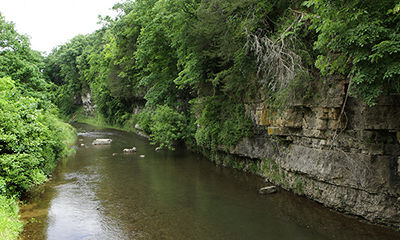
Apple River Canyon State Park
click the plus sign for more information
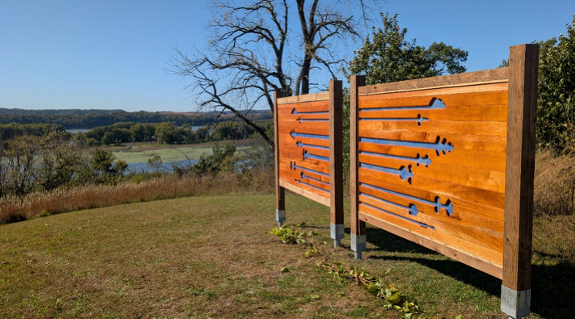
Casper Bluff Nature Preserve and Casper Creek Natural Cemetery
click the plus sign for more information
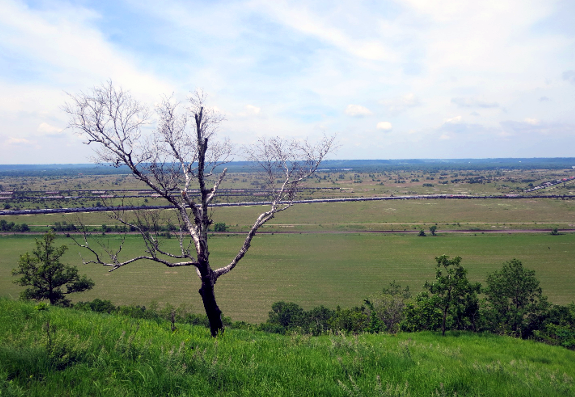
Hanover Bluff Complex
click the plus sign for more information
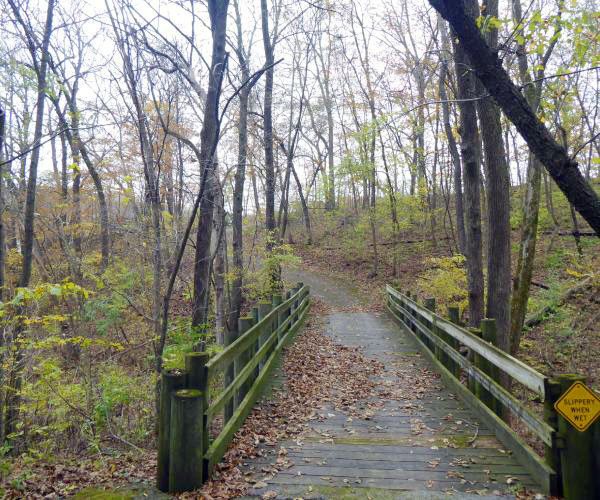
Galena Territory Management Site
Friday Concurrent Sessions
9:30 to 10:20 a.m. (return to top)
9:30-10:20 a.m. Room 1 – Agriculture
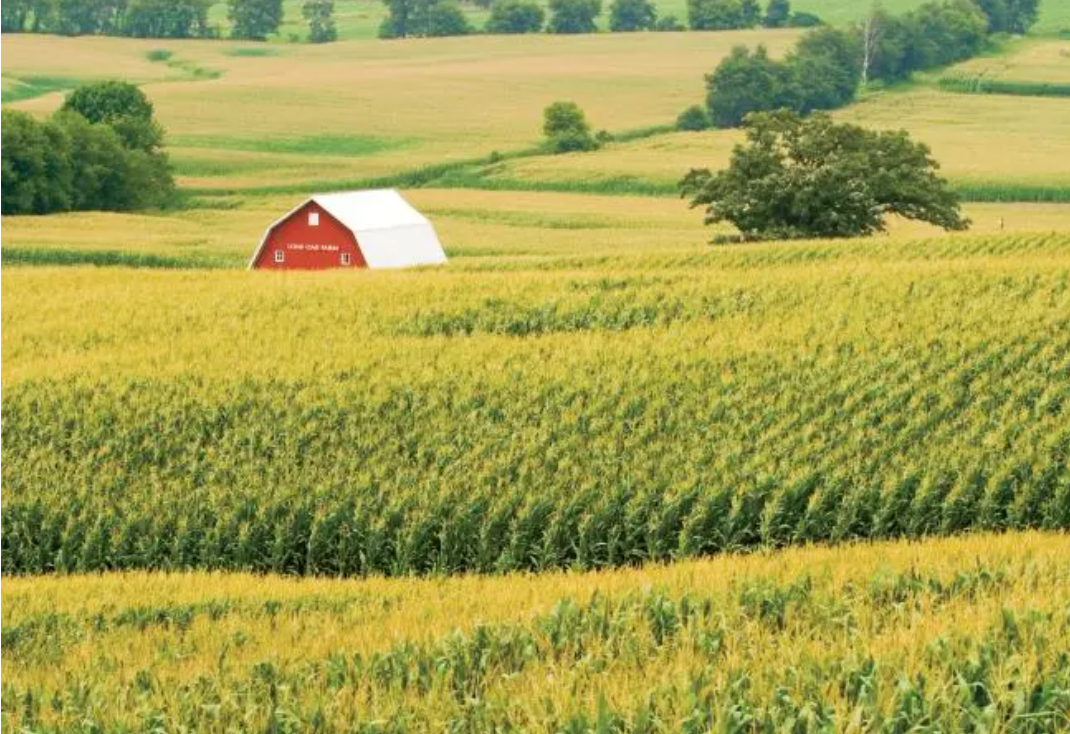
Advancing Conservation and Community through Creative Farmland Succession Partnerships
Nathan Aaberg, President/CEO Jo Daviess Conservation Foundation (naaberg@jdcf.org)
Brainstorm with two land trusts, a community foundation, and a farmland owner about ways to give farmland owners a way to address their succession goals while also strengthening rural communities and advancing conservation on the largest single land use in Illinois – agriculture.dation, and a farmland owner about ways to give farmland owners a way to address their succession goals while also strengthening rural communities and advancing conservation on the largest single land use in Illinois – agriculture.
9:30-10:20 a.m. Room 2 – Relationships
Making Room For Relationships: A Decisionmaker Engagement Toolbox
Claire Shipp, American Farmland Trust and Shreya Mahajan, Illinois Environmental Council (cshipp@farmland.org)
Building relationships with elected officials is an important part of conservation work, but finding the time and capacity to do so consistently can be a challenge. This interactive session will explore practical ways land trusts and conservation organizations can make decisionmaker engagement part of the work they are already doing. Drawing on input from Illinois conservation organizations, we’ll share a Decisionmaker Engagement Toolbox with outreach ideas, templates, peer examples, and lessons learned. Participants will have time to identify opportunities within their own work plans and leave with a simple roadmap for building relationships today, over the next 30 days, and throughout the year.
9:30-10:20 a.m. Room 3 – Storytelling
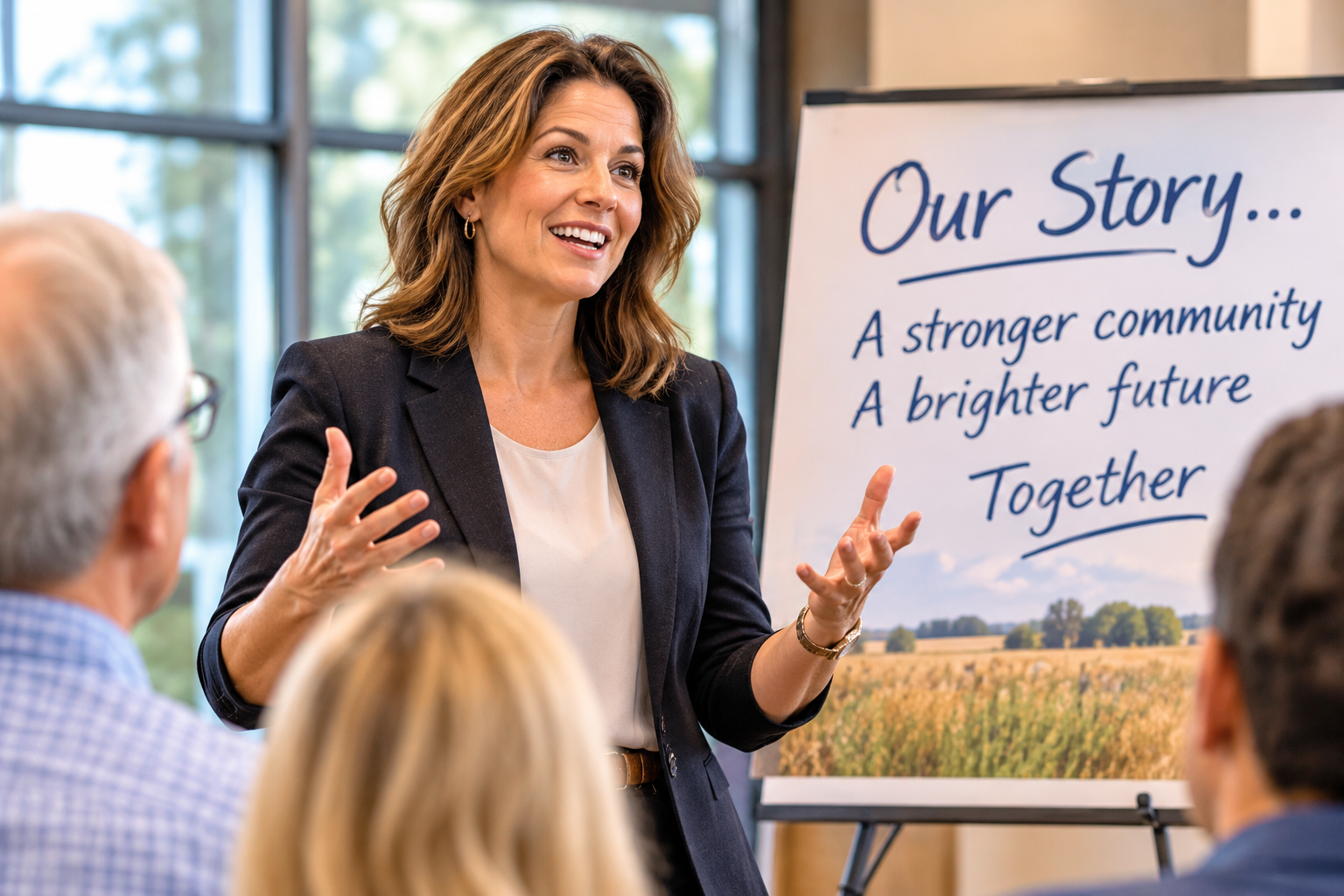
Building a Conservation Brand People Want to Support: Storytelling, Trust, and Community
Goldie Chan, Warm Robots (me@goldiechan.com)
Conservation organizations rely on public trust, community support, and strong relationships to advance their missions. This session explores how clear storytelling and authentic communication can help organizations strengthen visibility, engage supporters, and build lasting community connections. Goldie Chan will share practical approaches for identifying compelling stories, communicating organizational impact, and creating a consistent voice across digital and in-person channels. Participants will leave with actionable ideas for making their organization’s work more understandable, memorable, and meaningful to the people they hope to reach.
Friday Concurrent Sessions
10:30 to 11:20 a.m. (return to top)
10:30-11:20 a.m. Room 1 – Relationships
Who Gets to Be a Conservatinoist? Reimagining Access, Leadership & Ownership
Johari Cole and Brandon Harris, Community Development Corporation of PHP (cdc.php@gmail.com)
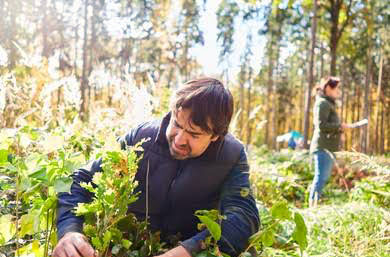
The future of conservation depends on expanding who belongs. We cannot solve complex ecological challenges without diverse knowledge, leadership, and lived experience. The goal is not simply to bring more people into conservation, but to transform the movement itself—recognizing community knowledge, creating economic opportunity, developing intergenerational leadership, embracing innovation, and sharing ownership. The movement must broaden, become more representative, and respond more directly to the communities and landscapes it seeks to protect. This interactive sessionis meant to provoke the senses and sensibilities and move conservation into the future.
10:30-11:20 a.m. Room 2 – Land Impact
Let’s Talk Data Centers: Our Power, Our Water, Our Wildlife, and Our Communities
Jizelle Torres, Prairie Rivers Network (jtorres@prairierivers.org)
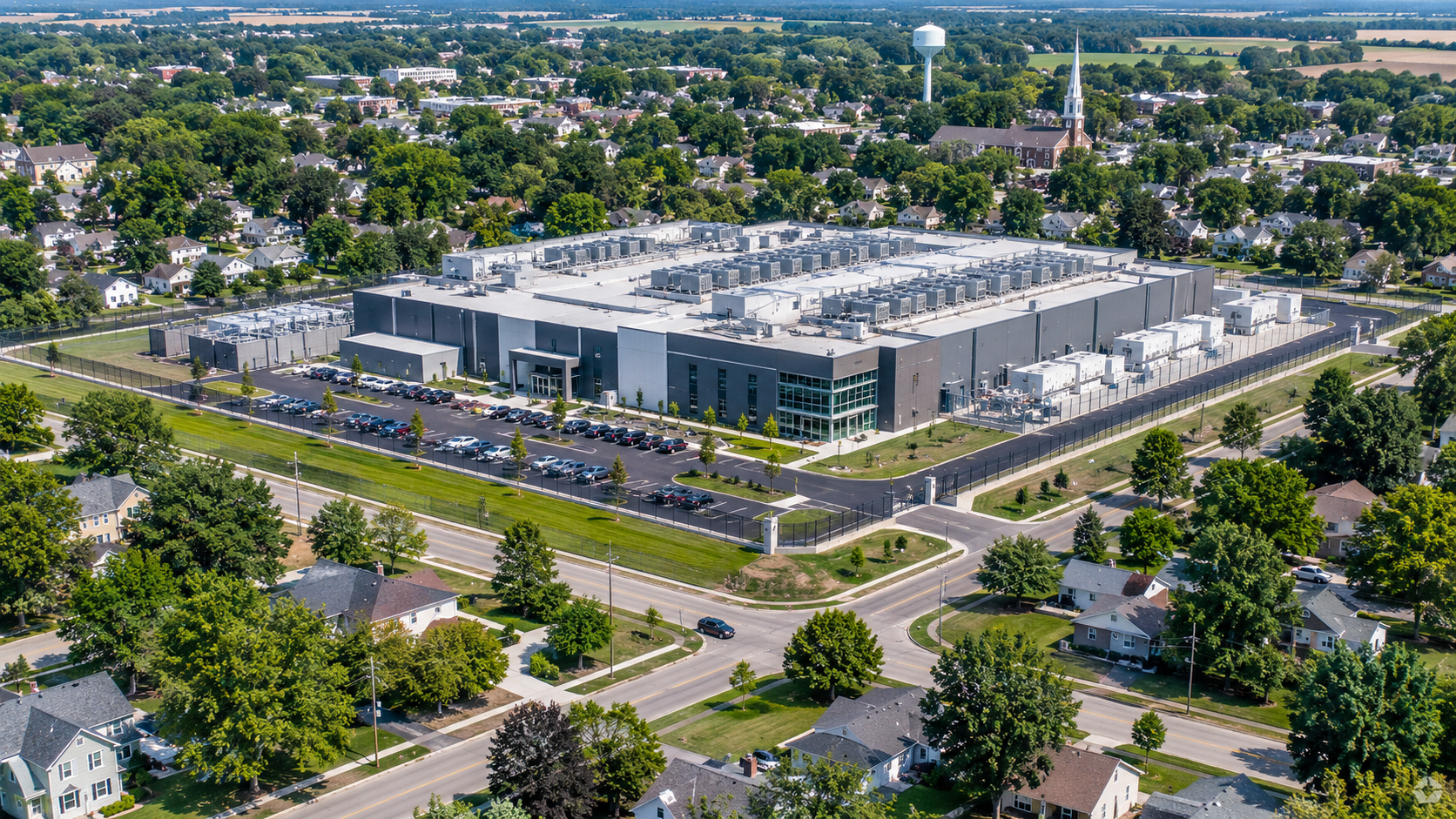
Data centers are making headlines across the country and surging into Illinois, with stories of massive electricity use, water demands, and impacts on people and communities. What’s discussed less in the media are the impacts that data centers can have on wildlife and the habitats upon which they depend. This interactive event will include overviews of the landscape of data center development, the known and unknown energy, water, community and wildlife impacts from datacenters, and potential solutions to these problems. The brief presentations will be broken up by small breakout conversations where people can share their thoughts.
10:30-11:20 a.m. Room 3 – Soil Health
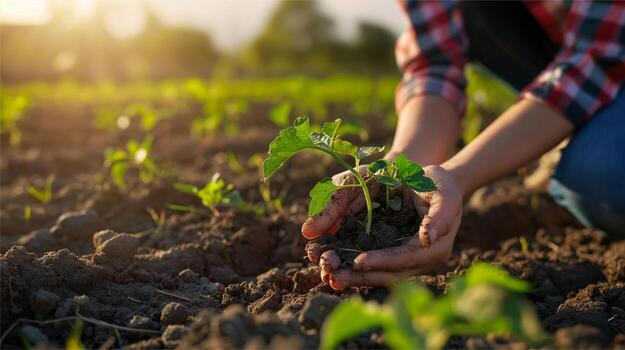
Farmer-Led Advances in Soil Health: Roadmap to Success
Morgan Cauble, American Farmland Trust (mcauble@farmland.org)
Conservation organizations rely on public trust, community support, and strong relationships to advance their missions. This session explores how clear storytelling and authentic communication can help organizations strengthen visibility, engage supporters, and build lasting community connections. Goldie Chan will share practical approaches for identifying compelling stories, communicating organizational impact, and creating a consistent voice across digital and in-person channels. Participants will leave with actionable ideas for making their organization’s work more understandable, memorable, and meaningful to the people they hope to reach.
Friday Concurrent Sessions
11:30 a.m. to 12:30 p.m. (return to top)
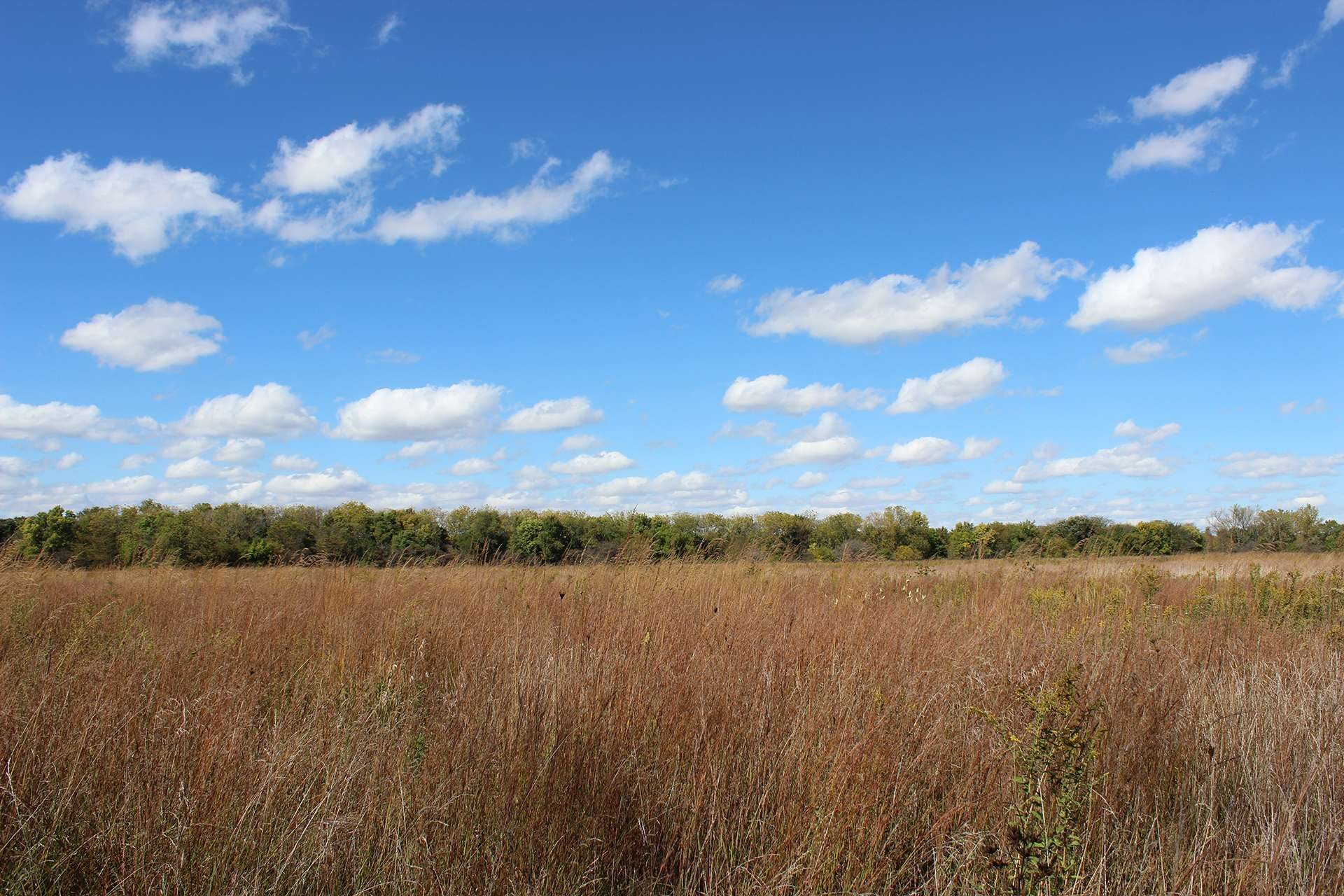
11:30 a.m.-12:30 p.m. Room 1 – Agriculture Easements
Talk Back: Agricultural Conservation Easements 101 and How We Increase Protected Farmland in Illinois
Charlotte Larson, American Farmland Trust (clarson@farmland.org)
Land trusts play a crucial role in building relationships with landowners, navigating lengthy enrollment processes, and ultimately protecting the working lands Illinoisians rely on and cherish. But how do we ensure a smooth application period and successful projects? This participatory session will demystify the Agricultural Conservation Easement Program – Agricultural Land Easements (ACEP-ALE).
Participants will be asked to share their challenges, successes, and ideas. The facilitator will use this feedback to assist land trusts and other practitioners in implementing the program. Together, we will work towards leveraging ACEP as a tool for conservation, farm viability, and sustainable community development.
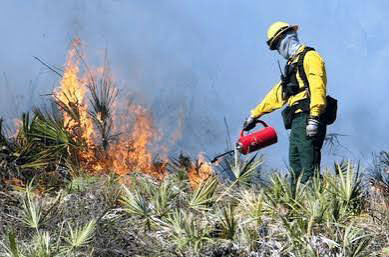
11:30 a.m.-12:30 p.m. Room 2 – Stewardship
Illinois Prescribed Burn Associations (PBAs)
Caleb Worley, Pheasants Forever and Quail Forever (cworley@pheasantsforever.org)
Prescribed fire is the most cost-effective management tool available to preserve native prairies, woodlands, and other habitats in Illinois.
Private landowners have limited resources available to implement prescribed fire on their land. Prescribed Burn Associations (PBAs) are groups of landowners and engaged individuals who collaborate to implement prescribed burns on private lands, by providing equipment, knowledge, experience, and peoplepower.
The PBA, neighbor helping neighbor helping neighbor approach, connects landowners, resource professionals, volunteers, and other like-minded conservationists to implement safe and effective prescribed burning across the Illinois landscape.
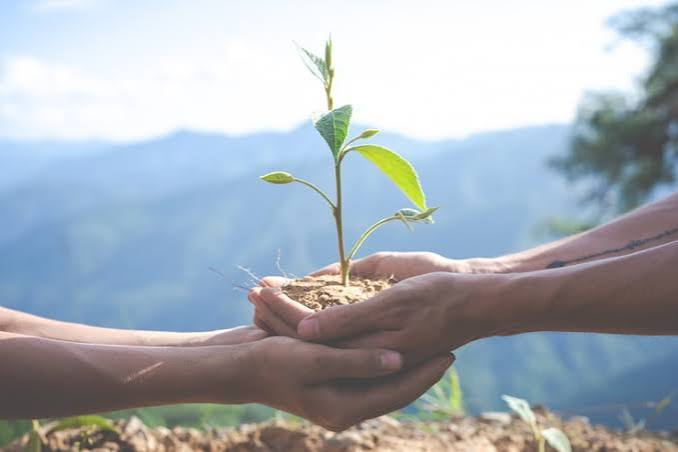
11:30 a.m.-12:30 p.m. Room 3 – Volunteers
Next Generation Stewards: Where Will They Come From?
Amy Doll, Friends of Illinois Nature Preserves (amy@friendsilnature.org)
For at least four decades volunteer stewards have spent countless hours doing amazing work of ecological restoration. However, even as the ecological challenges increase, many agencies face the challenge of aging stewards without engagement from younger people. Friends of Illinois Nature Preserves has seen success in recent years in engaging the “next generation of stewards” as many new stewardship leaders in the 20s and 30s have emerged in many places.
Friends of Illinois Nature Preserves has the broad perspective of the history of how Illinois has led the nation in protection of nature, in large part due to the groundbreaking and world leading efforts of community-based volunteer stewardship. Building on this model, Friends of Illinois Nature Preserves has seen success in thinking about how to engage the next generation of stewards in this nature-saving effort.